U.S. farmers are heading into harvest with another major input cost moving sharply against them.
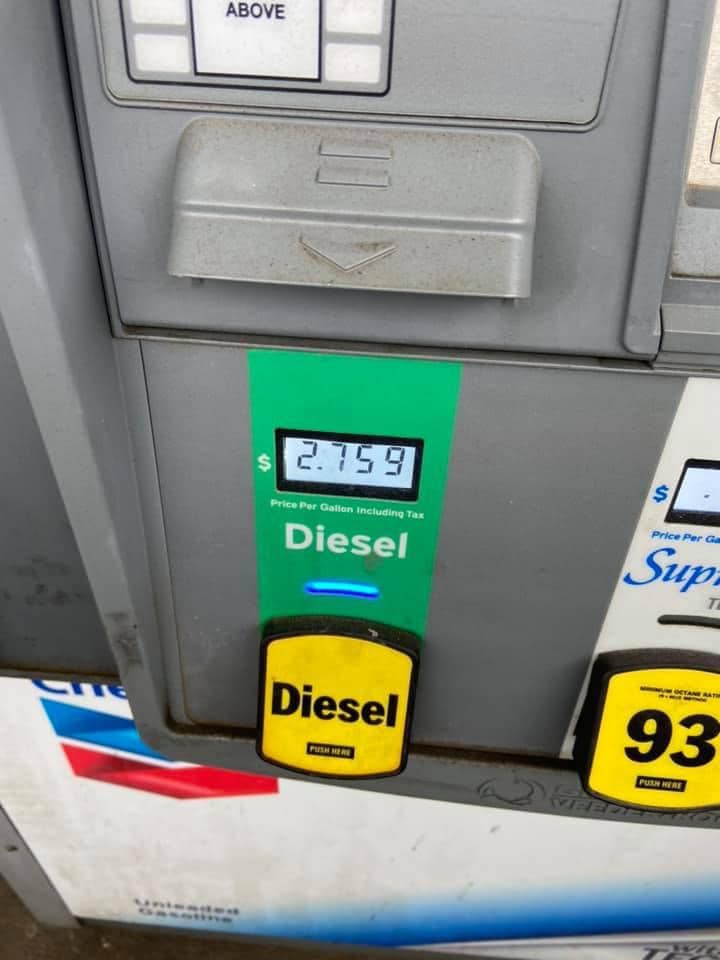
The national average price for diesel climbed to a record $5.94 per gallon Wednesday, adding significant expense just as combines, tractors and grain trucks begin running long hours across the Corn Belt.
Diesel prices are now about 61% higher than a year ago. The increase threatens to erase some of the improvement farmers have recently seen from stronger corn and soybean prices.
The problem extends well beyond fuel delivered directly to the farm. Diesel costs are built into grain hauling, fertilizer transportation, custom harvesting, machinery services and livestock transportation. As fuel prices rise, those expenses can work their way through nearly every part of an agricultural operation.
The timing is particularly difficult for grain producers. Harvest is one of the most fuel-intensive periods of the year, and farmers have limited ability to pass higher production costs on to buyers. When fuel expenses increase without a similar increase in commodity prices, the additional cost comes directly out of margins.
Energy markets have become increasingly volatile amid disruptions to global petroleum supplies. U.S. diesel inventories are also projected to fall below 100 million barrels, which would mark their lowest level since 2003.
The outlook offers little indication of a quick return to cheaper diesel.
The U.S. Energy Information Administration has raised its forecast for average retail diesel prices to $5.07 per gallon for 2026. Its 2027 forecast was increased to $4.40 per gallon, suggesting elevated fuel expenses could remain an issue well beyond this fall’s harvest. These prices are well below what many are seeing at the pumps right now. Prices across Missouri right now are ranging from around the $5.50 mark to well above $6.10 per gallon.
For producers, higher diesel prices add another variable to already tight budgets. Fertilizer, machinery, transportation and other production expenses remain significant while grain prices determine how much of those costs can ultimately be recovered.
As harvest ramps up across the Midwest, every additional gallon burned represents a larger expense at a time when producers are closely watching what remains on the bottom line.