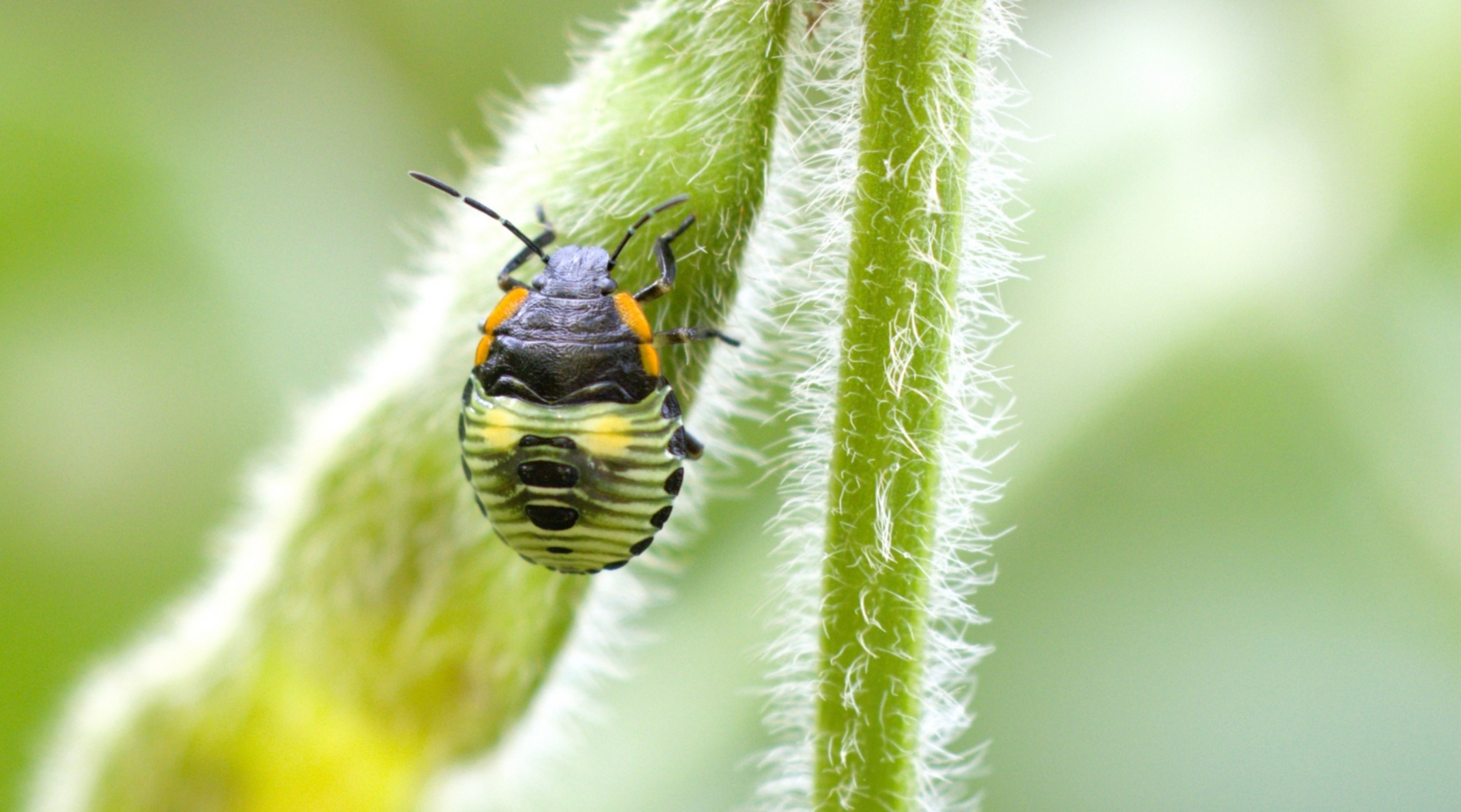
Missouri soybean growers may need to spend more time scouting fields this summer as new research from the University of Missouri shows stink bugs are now widespread across the state’s soybean acres.
Researchers with MU Extension surveyed 316 commercial soybean fields during the 2024 and 2025 growing seasons and collected more than 2,700 stink bugs representing nine different species.
According to MU Extension state field crops and forage entomologist Ivair Valmorbida, the project gives Missouri farmers their first statewide look at where stink bugs are showing up and when pressure is highest in soybean fields.
The study found the green stink bug was by far the biggest problem, accounting for more than 80 percent of all insects collected during the survey. Researchers also identified one spotted stink bugs and brown stink bugs in fields across Missouri.
Researchers said stink bug pressure was consistently heavier along field edges compared to the center of soybean fields. Many insects are believed to move in from timber, pasture ground and crop residue before spreading deeper into fields.
The research showed populations stay fairly low early in the growing season before climbing sharply during reproductive stages. Pressure peaked around the R6 full seed stage when soybeans are most vulnerable to feeding damage.
Stink bugs feed directly on pods and developing beans. That damage can lower yields, reduce seed quality and slow crop maturity heading into harvest.
Researchers also found different parts of Missouri experienced varying levels of stink bug pressure depending on landscape and habitat surrounding fields. Areas with a mix of timber, pasture and cropland tended to support more stink bug activity and greater species diversity.
The study also monitored invasive species concerns. Researchers detected brown marmorated stink bugs in limited locations at low numbers, while red banded stink bugs were not found during the survey period.
Missouri remains one of the nation’s top soybean producing states with more than 5 million acres planted annually. Researchers said stink bugs continue to rank among the most costly soybean pests across major growing states.
MU Extension recommends growers focus early scouting efforts along field borders, increase monitoring during pod fill and seed development stages and continue checking entire fields as the season progresses.