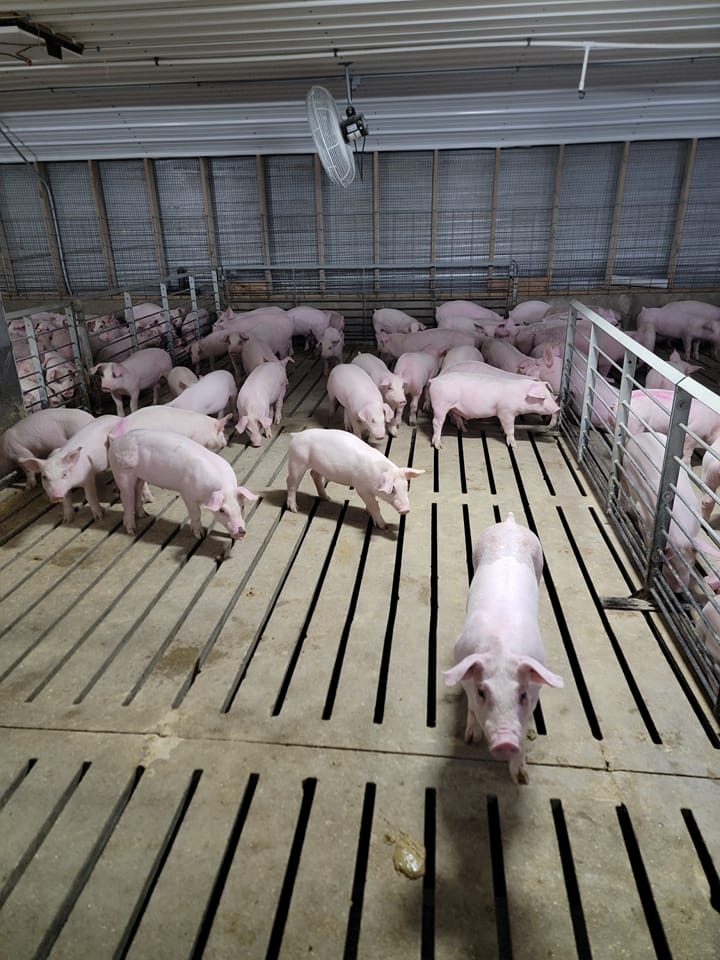
Lower feed costs are keeping hog producers in the black while pork remains a bargain compared with beef
COLLEGE STATION, Texas — Pork producers have been profitable for more than two years, but don’t expect that to translate into a major expansion of the U.S. hog herd anytime soon.
U.S. pork production is running 1.3 percent ahead of last year, while hog prices remain below 2025 levels, according to Texas A&M AgriLife Extension economist David Anderson.
Farrow to finish operations have now recorded 25 consecutive months of profitability based on an Iowa State University model tracked by Anderson. Estimated profits this year have ranged from about $2.60 to $52 per head.
The turnaround has been driven largely by cheaper corn and feed rather than higher hog prices.
“We’re producing about the same amount of pork as we did last year, yet prices have really lagged behind,” Anderson said. “We haven’t seen the increase, and it’s kind of a conundrum.”
Hog prices averaged about 97 cents per pound last week, compared with $1.07 a year ago.
Production typically slows during the summer as heat reduces weight gains. Anderson said that seasonal decline has helped hog prices rally in recent weeks, but prices still remain below last year’s levels.
Pork Remains a Bargain Compared With Beef
Consumers are seeing some relief at the meat counter.
The July Consumer Price Index put the average retail price of pork at $4.89 per pound, down from $5.01 a year earlier.
Beef moved the opposite direction, climbing from $9.69 to $10.49 per pound. Chicken averaged $2.01 per pound.
High beef prices could create additional opportunities for pork, particularly as restaurants look for lower cost alternatives.
Ground pork, sausage, barbecue and smoked pork products have all provided opportunities beyond traditional pork staples such as bacon and breakfast sausage.
Producers Are Not Adding Sows
Despite 25 months of profitability, the U.S. sow herd continues to shrink.
Instead of adding more breeding animals, producers are getting more pork from the hogs already in the system. Record pigs per litter and heavier market hogs have helped increase production.
Barrow and gilt dressed weights averaged 211 pounds last week, two pounds heavier than a year ago.
Anderson said the cost of expanding remains a major hurdle.
“Those profits have not translated to increased production,” Anderson said. “If I’m going to expand my sow herd, I’ve got to build more buildings, and that gets into concrete, steel and interest rates.”
Mexico Leads U.S. Pork Exports
Exports remain a major piece of the pork market, with roughly 20 to 30 percent of U.S. production moving overseas.
Mexico has become the biggest customer.
The U.S. shipped 226 million pounds of pork to Mexico during June. Japan purchased 87 million pounds and Canada bought 33.4 million pounds.
China has moved the other direction. June shipments totaled 23.1 million pounds, down from 36.7 million pounds last year and well below the five year average.
“Mexico has become a hugely important market for us as exports to China dipped,” Anderson said. “But exports continue to be a big part of the pie for us.”
For producers, cheaper feed continues to support profitability even without stronger hog prices. For consumers, steady supplies are keeping pork considerably cheaper than beef as grilling season heads toward fall.