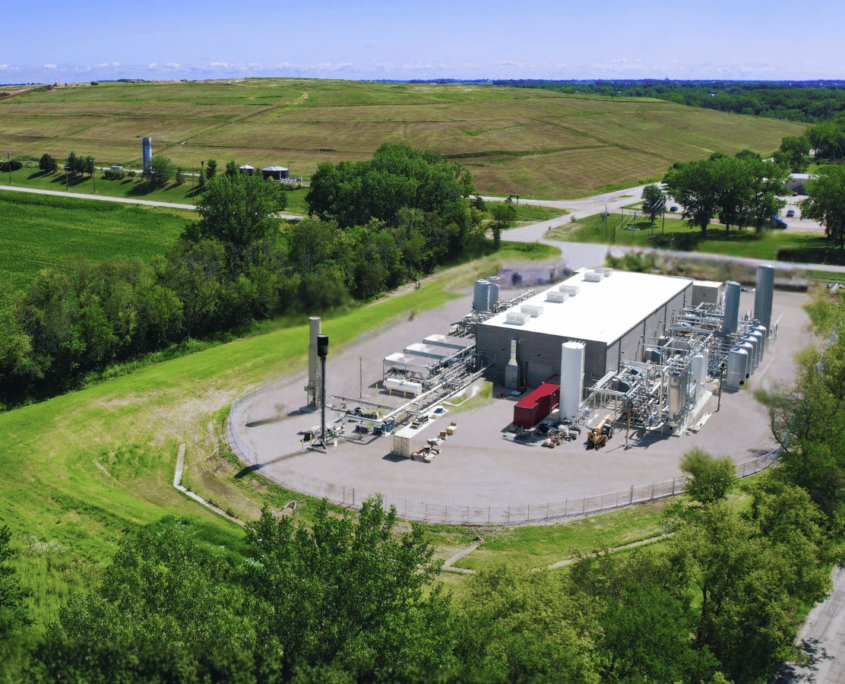
A new renewable energy project planned for Central Nebraska is putting cattle manure to work in a different way and could bring new economic opportunities to cattle country.
Neogenyx Fuels has announced construction is beginning on a renewable natural gas facility at Adams Land and Cattle near Broken Bow, Nebraska. The project will use manure from the feedlot operation to produce pipeline quality renewable natural gas.
Company officials say the project highlights the growing role agriculture is beginning to play in domestic energy production.
The facility will use anaerobic digesters to break down livestock manure and capture biogas. That gas will then be processed into renewable natural gas that can be used for transportation fuel and other energy needs.
Neogenyx Fuels CEO Michael Bakas says the project represents a major investment in rural America while also creating new opportunities for agriculture in the renewable energy sector.
Adams Land and Cattle CEO Abram Babcock says the partnership allows the operation to build additional value from everyday feedlot management while also creating environmental benefits for the region.
Beyond energy production, some of the leftover byproducts from the process will reportedly be reused as livestock bedding and fertilizer.
Renewable natural gas projects have continued expanding across cattle feeding regions as companies look for ways to capture methane emissions while creating additional revenue streams for livestock operations.
Supporters of the technology say projects like this can help reduce greenhouse gas emissions while generating jobs and long term investment in rural communities.
Construction activity and future plant operations are expected to create additional economic activity around Broken Bow as the facility moves forward.
The Nebraska project also signals how quickly renewable energy companies are moving deeper into production agriculture, especially in cattle feeding regions where large manure supplies can support year round gas production.
Industry leaders say projects like this could eventually become another value added opportunity for livestock producers looking to diversify income while improving manure management practices.