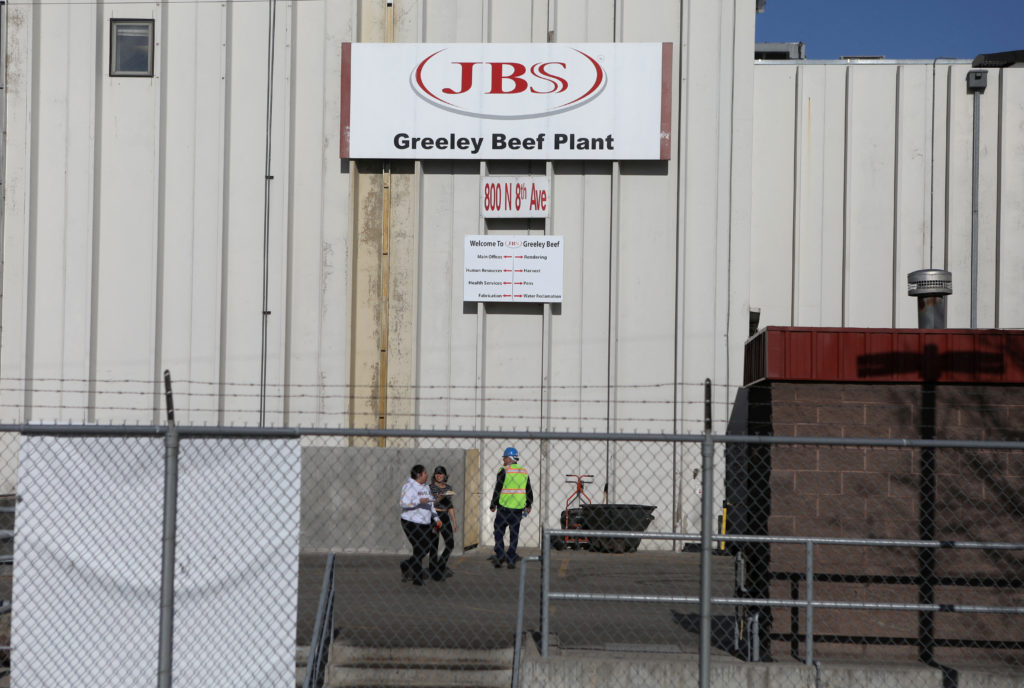
GREELEY, Colo. — Labor disruptions tied to a developing strike involving workers at facilities connected to JBS USA are creating uncertainty across segments of the U.S. cattle industry, with potential ripple effects from feedlots to retail beef prices.
While not all plants are affected, any slowdown in processing capacity can quickly back up cattle ready for harvest. Analysts say even a temporary reduction in chain speed can pressure cash cattle markets, as feedlots hold animals longer and incur additional costs.
At the same time, tighter beef supplies at the wholesale level could support boxed beef values, creating a familiar split in the market—pressure on producers while packer margins fluctuate.
Producers are watching closely, particularly as the industry moves through a period of historically tight cattle numbers. Any disruption in processing flow comes at a time when supply chains are already running with limited cushion.
Labor negotiations remain fluid, and the duration of any disruption will likely determine how significant the market impact becomes. Short-term slowdowns may create volatility, while prolonged issues could shift pricing dynamics more noticeably heading deeper into spring.