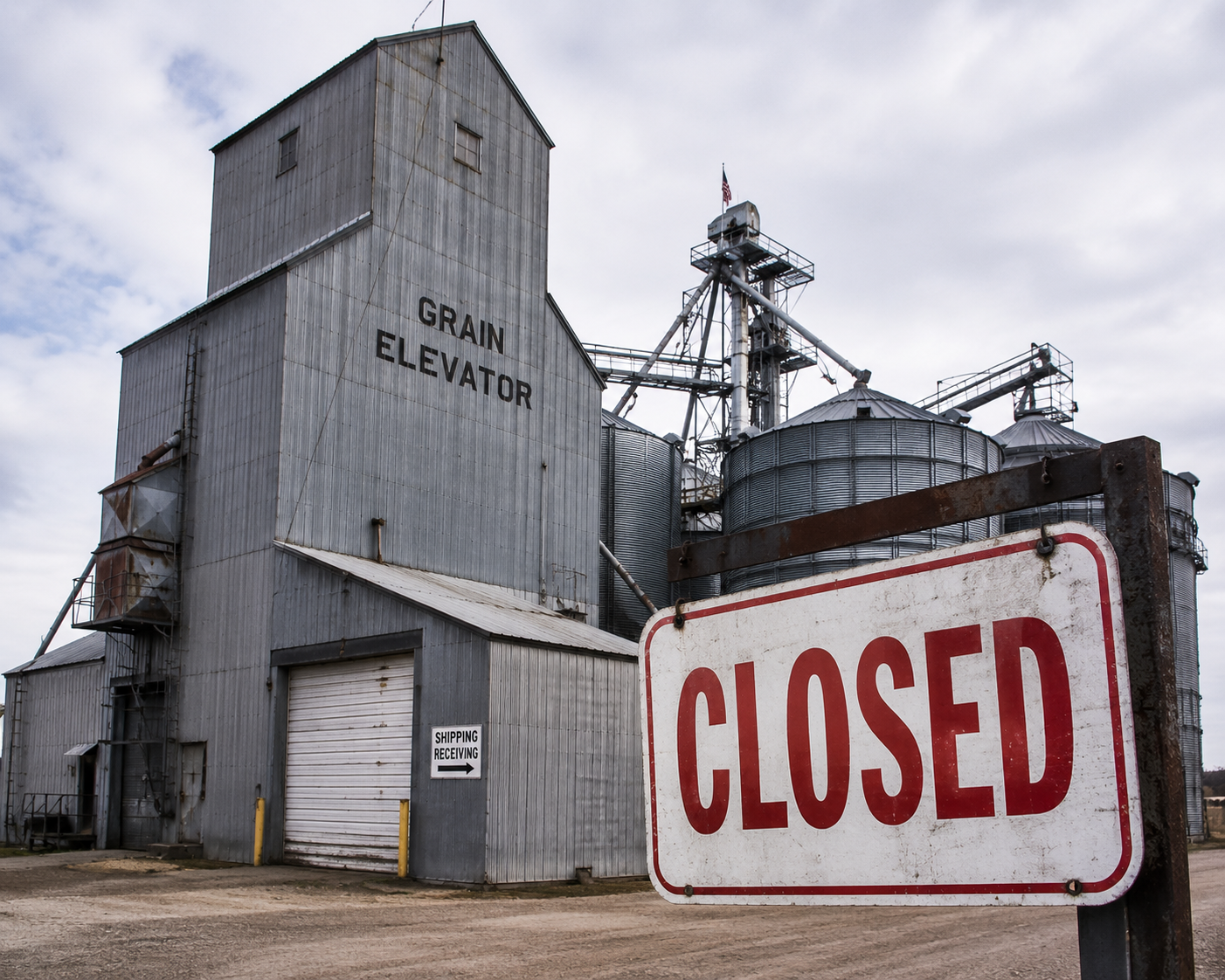
CHS Inc. is preparing to close or sell three grain elevators in southern Minnesota, a move that could reshape grain handling options for producers in the region after the 2026 harvest.
The cooperative announced that facilities in Kasson, Ostrander and Wykoff will continue operating through this year’s harvest season. After that, the locations are expected to either be sold or permanently closed.
The decision places more than 6 million bushels of grain storage capacity in question and could force some farmers to haul grain farther to reach delivery points.
Company officials said recent investments at larger facilities in Mankato and Fairmont have changed grain flow patterns across southern Minnesota. As more corn and soybeans move directly to processing plants and river terminals, CHS believes the three smaller elevators are no longer positioned to serve the market as efficiently as they once did.
Despite the planned changes, CHS says it will continue purchasing grain from area producers and maintain access to local processing and transportation markets.
The announcement comes as CHS works through a difficult financial period. The cooperative reported a second quarter net loss of more than $147 million, nearly double the loss reported during the same period a year earlier.
The company said it continues to evaluate its grain network to ensure facilities are located where they can provide the greatest value for member owners and customers.
The three Minnesota elevators are not the only assets affected by recent restructuring efforts. During the past year, CHS closed grain facilities in Claremont, Minnesota, Superior, Wisconsin, and a major grain terminal at the Port of Duluth Superior.
At the same time, the cooperative has continued investing in larger grain handling projects across the Upper Midwest. A new grain storage and handling facility in Worthing, South Dakota, opened in 2025, while expansion projects continue in North Dakota and Minnesota.
CHS has also added grain assets through acquisitions in recent years, including grain facilities in Nebraska and a multi state purchase agreement involving former Cargill grain elevators across the Midwest and Great Plains.
For farmers in southern Minnesota, the immediate impact may be limited since the elevators will remain open through harvest. Longer term, however, producers could face changes in trucking distances, delivery options and local competition for grain as the regional grain handling network continues to evolve.
The company says agronomy and energy services in the affected communities will continue even if the grain elevators are ultimately sold or shut down.