First U.S. case in five years could delay national scrapie free status
WASHINGTON — Scrapie is back on the USDA radar after a sheep processed at an Oregon slaughter facility tested positive for classical scrapie.
USDA’s Animal and Plant Health Inspection Service confirmed the case July 31.
The disease is fatal in sheep and goats and affects the brain and nervous system. It can spread through contact with infected birth materials and can remain in the environment for years.
USDA’s National Veterinary Services Laboratories will do more testing on the flock the sheep came from, including two sheep that were traveling with the infected animal.
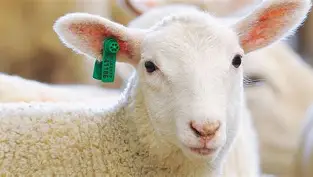
Officials say traceability will be important in the investigation. Scrapie tags made it possible to identify where the sheep came from and begin tracing potentially exposed animals.
The last confirmed U.S. case was in January 2021. That case involved a Wisconsin sheep from a flock based in Arkansas.
The new detection could also push back the timeline for the United States to achieve national scrapie free status. Without this case, that designation could have been possible in 2028. The earliest new target could now be 2033.
USDA does not expect the detection to disrupt overall livestock trade. Restrictions generally apply to the affected flock or premises rather than an entire state or country.
Wool exports are not expected to be affected.
USDA is reminding sheep producers to stay on top of official identification and traceability requirements, report animals showing signs of the disease and consider breeding animals with genetic resistance to scrapie.
For sheep producers, the message is simple. Keep good records, tag the sheep and know where they came from. Those records are what give animal health officials a chance to find the problem before it spreads.